







Menu
Your Cart

Glasswashers


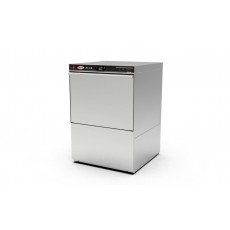
Shop commercial glasswashers designed for restaurants, bars, pubs, cafés, hotels, catering operations, and professional foodservice environments. Commercial glasswashers provide efficient, hygienic cleaning for wine glasses, beer glasses, cocktail glasses, tumblers, and other drinkware while helping protect delicate glassware from damage. Many professional models feature compact undercounter designs, adjustable wash programs, and water-treatment options for clean, sparkling results.


Frequently Asked Questions About Glasswashers

A commercial glasswasher is a professional dishwashing machine specifically designed to clean and sanitize drinking glasses, including wine glasses, beer glasses, tumblers, cocktail glasses, and other barware. These machines are commonly designed for undercounter installation and frequent use in busy

Commercial glasswashers can handle many types of drinkware, including wine glasses, champagne flutes, beer glasses, cocktail glasses, tumblers, and other barware. Models with adjustable wash pressure can provide gentler washing for delicate stemware and stronger washing for durable beer glasses and tumblers. 

Yes, many professional glasswashers are designed with glass protection in mind. Features such as controlled wash pressure, suitable racks, and gentle wash programs can help reduce the risk of chipping and breakage. Always use racks and settings appropriate for the specific glassware

Capacity varies by model, rack configuration, and wash cycle. For example, some commercial undercounter glasswashers are rated around 24 to 38 racks per hour, depending on the selected cycle. Always check the manufacturer's specifications when matching capacity to your operation.

High-temperature glasswashers use heat during the final rinse to sanitize the glassware, while chemical-sanitizing models use a commercial sanitizer. The best choice depends on your operation, available utilities, glassware requirements, and applicable local regulations. 

Yes. Commercial glasswashers generally use professional detergents and rinse aids, with chemical-sanitizing models also requiring an appropriate sanitizer. Chemical concentrations should follow the equipment and chemical manufacturer's recommendations.

A properly configured glasswashing system can significantly reduce or eliminate manual polishing in suitable applications. Water treatment, such as reverse osmosis, can help reduce mineral deposits and produce sparkling glasses that require less polishing. 

Water treatment can be particularly beneficial when local water contains high levels of minerals or hardness. Water softening or reverse osmosis can help improve wash results, reduce spotting, and protect equipment. The appropriate treatment depends on your local water quality and the manufacturer's recommendations.

Requirements vary by model but typically include an electrical connection, water supply, and drain. High-temperature models may have specific incoming-water and electrical requirements, while chemical-sanitizing models may require connections for detergent, rinse aid, and sanitizer. Always verify the manufacturer's installation specifications before installation.

Daily maintenance generally includes removing food and glass debris, cleaning filters and wash components, checking spray arms, replenishing chemicals, and cleaning and drying the machine at the end of the operating day. Regular deliming and other preventive maintenance should follow the manufacturer's instructions and local water conditions.

We use cookies and other similar technologies to improve your browsing experience and the functionality of our site. Privacy Policy.