



Menu
Your Cart

Mop Sinks

Frequently Asked Questions About Mop Sinks

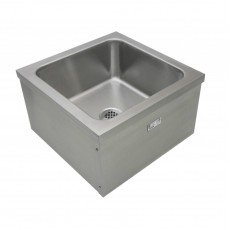
A commercial mop sink is designed for janitorial and cleaning tasks in restaurants, hotels, schools, healthcare facilities, warehouses, and other commercial buildings. It is used for filling mop buckets, disposing of dirty water, rinsing cleaning equipment, and supporting facility maintenance operations.

In many commercial facilities, mop sinks are required by health and building codes to provide a designated area for disposing of wastewater and cleaning equipment. Requirements vary by location, so businesses should confirm regulations with their local health or building authority.

A mop sink is specifically designed for janitorial tasks such as filling and emptying mop buckets, while a utility sink is a more general-purpose sink used for cleaning, washing equipment, and other maintenance tasks. Mop sinks typically have a deeper basin or floor-level design to accommodate larger cleaning containers.

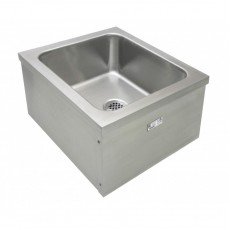
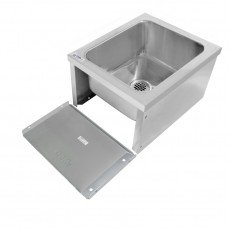
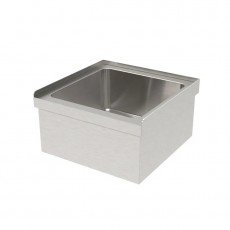
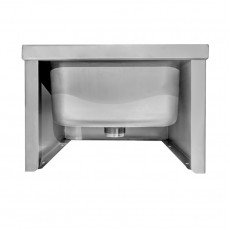
Commercial mop sinks are available in several styles, including floor-mounted mop sinks, wall-mounted mop sinks, stainless steel mop sinks, molded utility mop sinks, and service sinks. The best choice depends on space requirements, usage needs, and installation preferences.

Stainless steel is a popular choice for commercial mop sinks because it offers excellent durability, corrosion resistance, and easy cleaning. Other materials, such as molded composites, may also be used for applications requiring chemical resistance and heavy-duty cleaning performance.

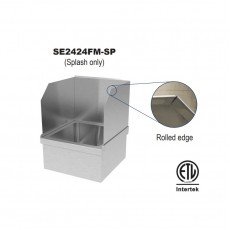
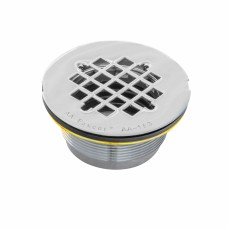
Some mop sinks include faucets, mop hanger racks, drain assemblies, and splash guards, while others require accessories to be purchased separately. Always check the product specifications to confirm included components.

Mop sinks are typically installed in janitor closets, utility rooms, back-of-house areas, kitchens, laundry rooms, and maintenance spaces. The installation location should have proper plumbing connections, drainage, and enough clearance for safe operation.

Clean the mop sink regularly by removing debris, rinsing the basin after use, sanitizing surfaces when necessary, checking drains for blockages, and inspecting faucets and plumbing connections for leaks. Proper maintenance helps extend the sink's service life

Some commercial mop sinks are NSF certified or manufactured to meet commercial sanitation standards, depending on the model and intended application. Always verify product specifications when certification is required for your facility.

When selecting a commercial mop sink, consider the sink type, basin size, material, mounting style, faucet compatibility, drainage requirements, available installation space, and local regulations. Choosing the right mop sink improves cleaning efficiency and helps maintain a safe, sanitary workplace.

We use cookies and other similar technologies to improve your browsing experience and the functionality of our site. Privacy Policy.