






Menu
Your Cart

Floor Mats


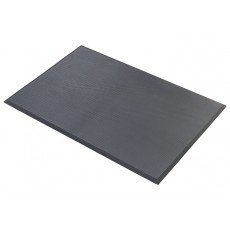
Improve safety, comfort, and cleanliness in your facility with durable commercial floor mats and anti-fatigue mats from Go Chef Supply. Designed for high-traffic environments such as restaurants, commercial kitchens, hotels, schools, healthcare facilities, and industrial workplaces, our mats help reduce fatigue, prevent slips, and enhance workplace safety.

Our selection includes a wide range of non-slip floor mats, anti-fatigue mats, drainage mats, rubber mats, and entrance mats built for demanding commercial use. Whether you need cushioning for long hours of standing in the kitchen or slip resistance in wet areas, these mats are engineered to perform in fast-paced environments while maintaining durability and easy maintenance.

From back-of-house food prep areas to front-of-house entrances, Go Chef Supply offers reliable commercial floor mats designed to meet the needs of professional operations. Choose from multiple sizes, materials, and styles to match your workspace and safety requirements.

Shop our collection of commercial floor mats and anti-fatigue mats today to create a safer, more comfortable, and more efficient environment for your staff and customers.


Showing 1 to 11 of 11 (1 Pages)

Frequently Asked Questions About Floor Mats

Commercial floor mats help protect floors, capture dirt and moisture, improve traction, provide cushioning for employees who stand for long periods, and create safer walking and working areas. They are commonly used in restaurants, commercial kitchens, entrances, bars, warehouses, offices, and other high-traffic locations.

For commercial kitchens, choose a mat designed for wet, greasy, and high-traffic environments. Rubber safety mats with drainage holes can help liquids and debris pass through the surface, while anti-fatigue mats can provide additional comfort at prep stations and work areas.

Many commercial floor mats are designed with textured surfaces, drainage patterns, or non-slip backings to improve traction. However, slip resistance varies by product, so check the manufacturer's specifications for the intended environment. A mat should also be kept clean and properly positioned to perform effectively.

Anti-fatigue mats provide cushioning and support for employees who stand for extended periods. They are commonly used at kitchen prep stations, cashier counters, bars, workbenches, service counters, and production areas. Mat thickness, firmness, and surface design all affect comfort and performance

Choose a size that provides adequate coverage for the area where employees or customers walk or stand without creating an obstruction. Measure the available floor space and consider the width of the workstation, entrance, counter, or walkway before selecting a mat.

Commercial mats are commonly made from rubber, vinyl, PVC, nylon, polyester, and other durable materials. Rubber is popular for demanding commercial environments, while nylon and polyester are commonly used for entrance and indoor applications. The best material depends on traffic, moisture, grease exposure, and cleaning requirements.

Yes, certain commercial floor mats are specifically designed for wet areas. Open-grid or drainage mats allow water and other liquids to pass through the surface, helping keep the walking surface more manageable. For wet applications, choose a mat specifically rated for the environment and maintain it according to the manufacturer's instructions.

Cleaning methods depend on the mat's material and construction. Many mats can be swept, vacuumed, rinsed, or washed with appropriate cleaning solutions. Mats used in kitchens and other demanding environments should be cleaned regularly to remove grease, food debris, dirt, and moisture. Always follow the manufacturer's care instructions.

Yes. Entrance mats are designed to capture dirt and moisture before it is tracked into a facility. For high-traffic entrances, choose a durable mat with appropriate moisture and debris-collection capabilities. Outdoor and indoor mats may use different materials and backing systems depending on exposure and flooring type.

Consider application, size, material, thickness, slip resistance, drainage, anti-fatigue properties, edge design, backing, durability, cleaning requirements, and traffic level. For commercial kitchens, prioritize mats designed for wet or greasy conditions; for standing workstations, consider anti-fatigue construction; and for entrances, prioritize dirt and moisture collection.

We use cookies and other similar technologies to improve your browsing experience and the functionality of our site. Privacy Policy.