





Menu
Your Cart

Commercial Modular Ice Makers & Storage Bins


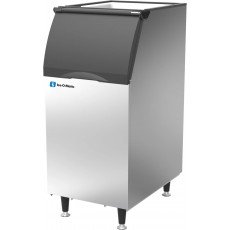
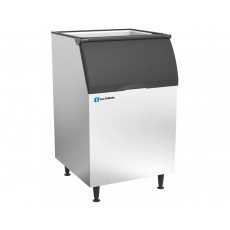
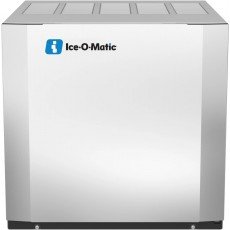
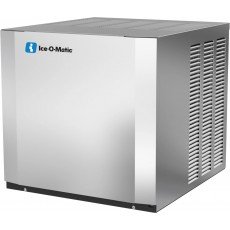
Shop commercial modular ice makers and storage bins designed for restaurants, bars, hotels, healthcare facilities, catering operations, cafeterias, and other high-volume foodservice environments. Modular ice makers provide dependable ice production and can be paired with compatible storage bins to create a flexible ice-making and storage solution. Choose professional ice machines and bins in various production capacities and storage sizes to support beverage service, food preparation, hospitality, and demanding commercial operations.

Showing 1 to 20 of 122 (7 Pages)

Frequently Asked Questions About Commercial Modular Ice Makers & Storage Bins

A commercial modular ice maker is a high-capacity ice machine designed to sit on top of a separate ice storage bin or dispenser. Unlike undercounter ice machines, modular units focus on producing large volumes of ice for busy businesses such as restaurants, hotels, hospitals, bars, and cafeterias. Because the storage bin is separate, you can choose a bin size that matches your daily ice demand.

Start by estimating how much ice your business uses during a typical day. Consider the number of customers served, beverage sales, food preparation needs, and peak operating hours. Choose a machine that produces slightly more ice than your expected daily demand to ensure you never run out during busy periods

Your storage bin should hold enough ice to meet demand during peak hours without requiring constant production. Most businesses choose a bin that stores 60–80% of the machine's daily ice production. It's also important to ensure the storage bin is compatible with your selected modular ice maker.

Commercial modular ice makers are available in several ice styles, including:

  • Full cube ice for restaurants and beverage service
  • Half cube ice for blended drinks and soft drinks
  • Nugget ice for healthcare and self-service beverages
  • Flake ice for food displays, seafood, and medical applications
  • Gourmet or specialty ice for premium cocktails

The best choice depends on your business and how the ice will be used.

Most modular ice makers require:

  • A dedicated electrical connection
  • A cold water supply
  • A floor or drain connection
  • Adequate ventilation around the machine
  • A level surface for proper operation

Professional installation is recommended to ensure optimal performance and compliance with local building codes.

Most manufacturers recommend cleaning and sanitizing the machine every six months, although businesses operating in areas with hard water or high usage may need more frequent maintenance. Regular cleaning removes mineral scale, mold, and bacteria while helping maintain ice quality and machine efficiency. Water filters should also be replaced according to the manufacturer's recommendations.

Air-cooled models are the most common, using surrounding air to cool the machine while offering excellent energy efficiency and lower operating costs.

Water-cooled models use water for cooling and work well in hot environments or where airflow is limited, though they consume more water.

Remote-cooled models place the condenser outside the building, reducing indoor heat and operating noise, making them ideal for quiet or enclosed spaces.

Daily production ratings are based on ideal operating conditions, typically with cool incoming water and moderate room temperatures. Higher ambient temperatures, warmer water, poor ventilation, dirty condenser coils, clogged water filters, or inadequate maintenance can all reduce actual ice production.

With proper installation and routine maintenance, a commercial modular ice maker typically lasts between 8 and 15 years. Regular cleaning, water filtration, scheduled preventive maintenance, and prompt repairs can significantly extend the life of the equipment while maintaining reliable ice production.

Yes. A water filtration system is highly recommended for most commercial ice makers. Filtration helps reduce mineral buildup, improves ice clarity and taste, extends equipment life, lowers maintenance costs, and protects internal components from scale and sediment. Using filtered water also helps maintain consistent ice production and may support warranty requirements specified by some manufacturers.
We use cookies and other similar technologies to improve your browsing experience and the functionality of our site. Privacy Policy.