




Menu
Your Cart

Commercial Refrigeration Equipment

Shop commercial refrigeration equipment at GoChefSupply for reliable cold storage and temperature control in restaurants, commercial kitchens, cafés, hotels, catering businesses, bakeries, grocery stores, and other foodservice operations. Professional refrigeration helps keep ingredients, prepared foods, beverages, and frozen products properly stored, organized, and ready for service.

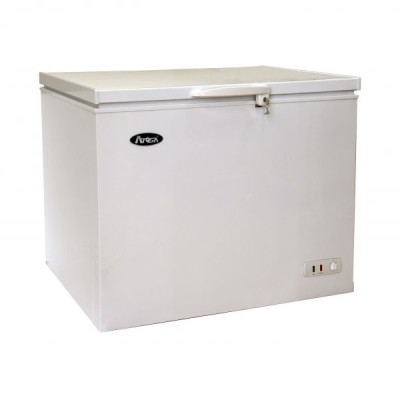
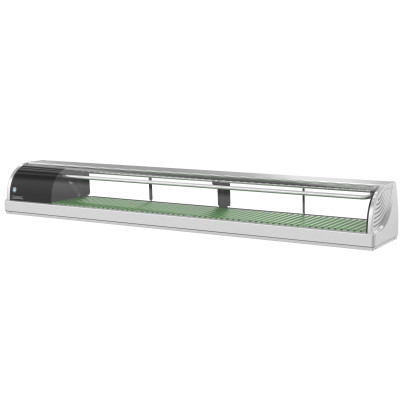
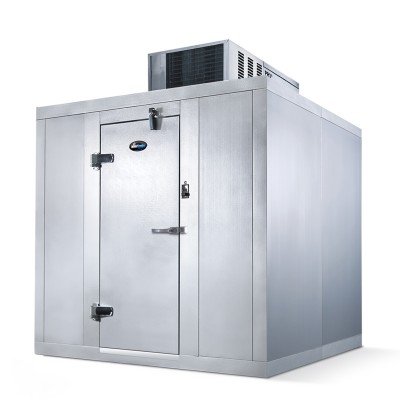
Our selection includes: Reach-in Refrigerators and Freezers, Walk-in Coolers and Freezers, Glass Door Refrigeration, Bakery and Deli Display Cases, Sandwich and Pizza Prep Tables, Sushi Display Cases, Undercounter Refrigerators, Chef Base Refrigerators, Back Bar Coolers, Chest and Ice Cream Freezers, and Wine Cabinet.

Commercial refrigeration equipment is available in a wide range of sizes, capacities, configurations, and temperature requirements to suit different kitchen layouts and storage needs. Whether you need everyday ingredient storage, refrigerated food preparation space, beverage cooling, product merchandising, or large-scale cold storage, choosing the right refrigeration system can improve organization and support efficient kitchen operations.

Built for demanding commercial environments, professional refrigeration equipment is designed for dependable operation, durable construction, consistent temperature performance, and efficient use of energy. When selecting commercial refrigeration, consider available space, storage capacity, temperature requirements, door configuration, accessibility, ventilation, and expected usage.

Explore our complete selection of commercial refrigeration equipment to find dependable cold-storage solutions for your foodservice or retail operation.


Frequently Asked Questions About Commercial Refrigeration Equipment

Commercial refrigeration equipment is designed for restaurants, supermarkets, hotels, cafes, and other businesses that need reliable temperature-controlled storage. It includes reach-in refrigerators, freezers, walk-in coolers, prep tables, display cases, undercounter refrigerators, and specialty refrigeration units.

Choosing the right commercial refrigerator depends on your available space, storage capacity needs, food type, kitchen workflow, temperature requirements, energy efficiency goals, and how frequently the unit will be accessed.

Common types include reach-in refrigerators and freezers, walk-in coolers and freezers, glass door merchandisers, refrigerated display cases, prep tables, undercounter refrigerators, chef bases, back bar coolers, chest freezers, and wine refrigerators.

Commercial refrigerators are built for heavy daily use, higher storage capacity, faster cooling recovery, durable components, and compliance with foodservice requirements. Residential refrigerators are designed for lighter household use and are not suitable for most commercial operations.

Most commercial refrigerators should maintain temperatures around 36°F to 38°F, while commercial freezers typically operate around 0°F. Proper temperature control helps protect food quality and meet food safety requirements.

Commercial refrigeration equipment should be cleaned regularly, including condenser coils, door seals, shelves, and interior surfaces. Routine maintenance helps improve efficiency, extends equipment life, and prevents unexpected breakdowns.

Yes. Energy-efficient refrigeration equipment can reduce operating costs through improved insulation, efficient compressors, LED lighting, and advanced temperature controls while providing reliable performance.

With proper installation and regular maintenance, commercial refrigeration equipment can often last 8–15 years or longer depending on the type of unit, usage level, operating environment, and maintenance schedule.

Important features include stainless steel construction, adjustable shelving, digital temperature controls, energy-efficient compressors, self-closing doors, easy-to-clean surfaces, reliable warranty support, and proper storage capacity.

New equipment offers the latest energy-saving technology, warranties, and reliability. Used equipment may reduce upfront costs but should be carefully inspected for condition, efficiency, and remaining service life before purchase.

We use cookies and other similar technologies to improve your browsing experience and the functionality of our site. Privacy Policy.