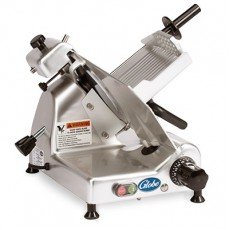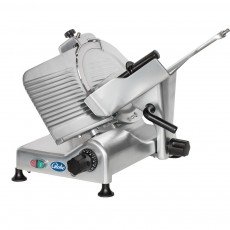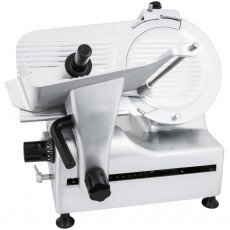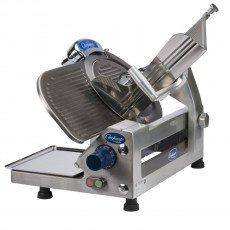






Achieve precise, consistent slicing with commercial meat slicers designed for restaurants, delis, grocery stores, butcher shops, and foodservice operations. Our selection includes manual and automatic meat slicers built for high-volume performance, durability, and ease of use. Whether you're slicing deli meats, cheeses, vegetables, or specialty products, these professional slicers deliver accuracy and efficiency to streamline food preparation. Explore commercial meat slicers from trusted brands in a variety of blade sizes and configurations to meet your business needs.
Frequently Asked Questions About Commercial Meat Slicers
The right size depends on your daily slicing volume and the products you prepare. Small operations may only need a 10-inch slicer, while delis, butcher shops, and restaurants with high-volume production typically benefit from 12- to 14-inch models that can handle larger cuts of meat and longer operating periods.
Yes. Most commercial meat slicers can slice:
- Cheese (if recommended by the manufacturer)
- Vegetables
- Bread (with a serrated blade)
- Cooked meats
- Deli meats
- Some fruits
Always verify that the slicer and blade type are suitable for the intended food.
Common blade sizes include:
- 9–10 inches: Light-duty cafés, food trucks, and small restaurants
- 12 inches: Medium-volume delis and restaurants
- 13–14 inches: High-volume butcher shops, grocery stores, and supermarkets
Larger blades accommodate larger products and generally improve productivity.
Most commercial slicers feature adjustable thickness settings, allowing slices from paper-thin deli meat to approximately 1 inch thick, depending on the model.
For food safety:
- Turn off and unplug the slicer.
- Remove detachable components.
- Wash with warm water and food-safe detergent.
- Sanitize all food-contact surfaces.
- Allow components to dry completely before reassembly.
Clean the slicer after each use or whenever switching between different food products.
Important safety features include:
- Blade guards
- Non-slip feet
- Emergency stop switch
- Knife cover
- Product pusher with hand protection
- Safety interlock systems
- Permanent blade ring guard
These features help reduce the risk of operator injury.
Sharpening frequency depends on usage:
- High-volume operations: Weekly or as needed
- Moderate use: Every few weeks
- Light use: Monthly or when slice quality declines
Many commercial slicers include built-in sharpening systems for easier maintenance.
- Belt-driven slicers are generally quieter, more affordable, and suitable for light to medium-duty applications.
- Gear-driven slicers deliver more power, durability, and consistent performance for heavy-duty, continuous commercial use.
Consider:
- Daily slicing volume
- Types of food you'll slice
- Blade size
- Manual vs. automatic operation
- Available workspace
- Ease of cleaning
- Safety features
- Motor power
- NSF certification (if required)
- Budget and warranty
Matching these factors to your business needs helps ensure long-term performance and efficiency.